700 Main Street West, Ashland, WI 54806. | Open Daily - 7:30 a.m. – 8 p.m.

IMG_6111

Author name: Chequamegon Food Co-op

You’re Invited: It’s Our 40th Birthday!

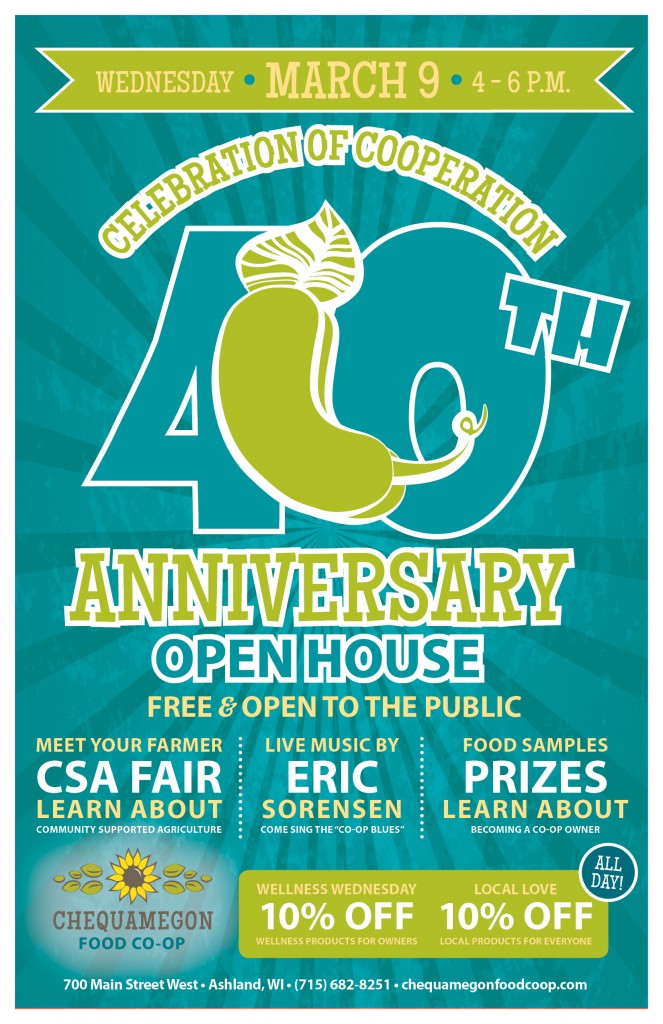
It’s a Celebration of Cooperation! We’ve been a cooperative business for 40 years. On Wednesday, March 9 from 4-6 p.m., join us for at the store for an open house celebration with refreshments, a CSA fair, free samples, music, and more. Plus, you’ll find items throughout the store at 40% off. To find these items, look […]

You’re Invited: It’s Our 40th Birthday! Read More »

What’s Fresh? Greens!

What’s Fresh? Greens!
By Seth McBride, Marketing Intern


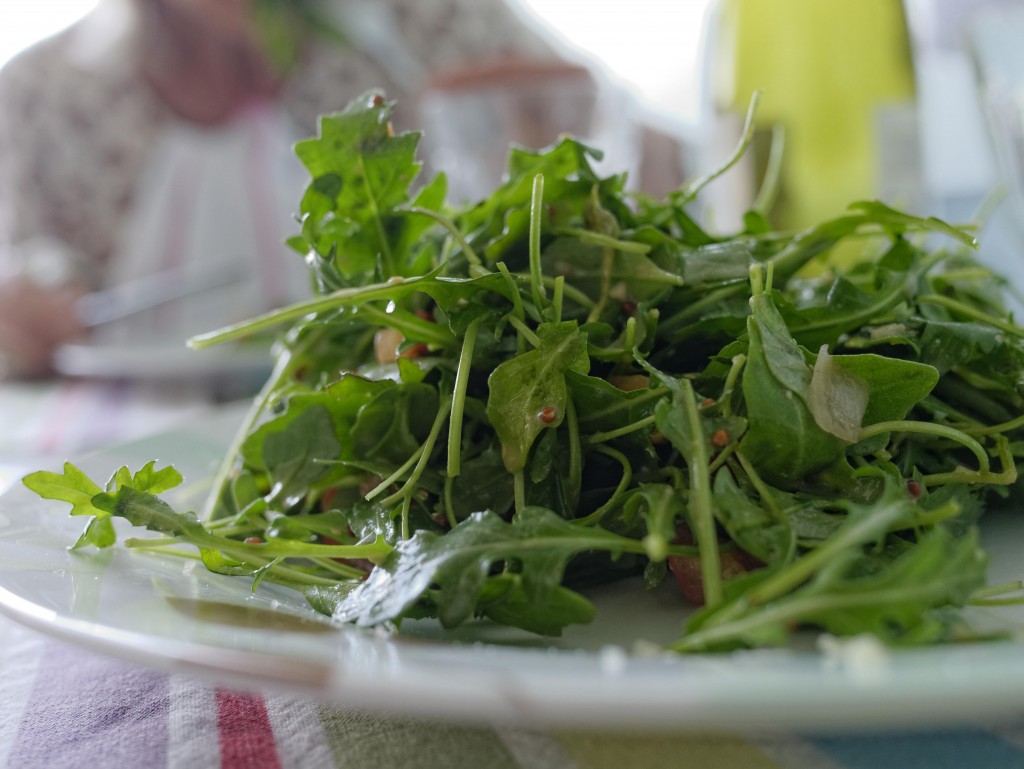
The women and men of Organicgirl deliver fresh, flavorful greens in every package. They carefully pick their seeds and ingredients to ensure great flavor that is USDA certified organic. Salads are one healthy meal that have become so common that they are sometimes overlooked. However, the greens in salad are loaded with antioxidants and fiber. This week the Co-op is offering five of these organic, pre-packaged salads for only $3.99 each:

Super Spinach – A trifecta of healthy greens: baby bok choy, baby kale, and baby spinach that is loaded with Vitamin C and B9 aka folic acid, which has been known to prevent heart disorders, stroke, cancer, and birth defects.

SuperGreens! – A nutritional superstar mixture of baby greens and red chard, baby tat soi, spinach, and arugula.

Baby Spinach & Arugula – A 50-50 mixture of Popeye’s steroids and the peppery mixture of arugula.

Baby Kale – Kale is known for being a tough and bitter cooking green. However baby kale has all the nutrition of mature kale, but with better flavor. It is tenderer, and is more versatile when it comes to cooking.

Baby Spring Mix – A mix of 14 tender baby greens for just the right amount of sweetness. It was designed by selecting sweet, young lettuces over traditional bitter, more mature leaves to be Organicgirl’s best tasting blend available.

These mixtures work well alone, but these greens are also wonderful cooking ingredients. Enjoy some of these green and delicious recipes:


What’s Fresh? Greens! Read More »

Celebrating 40 Years of Cooperation!

In 1976, a small group of health and budget conscious folks decided to take their buying club public. They incorporated Chequamegon Food Co-op on March 9, 1976. From there the cooperative moved through a few different storefronts on Second Street (now Main Street) in Ashland, Wis., before settling at 215 Chapple Avenue in 1986. Now,

Celebrating 40 Years of Cooperation! Read More »

What’s Fresh? Cabbage!

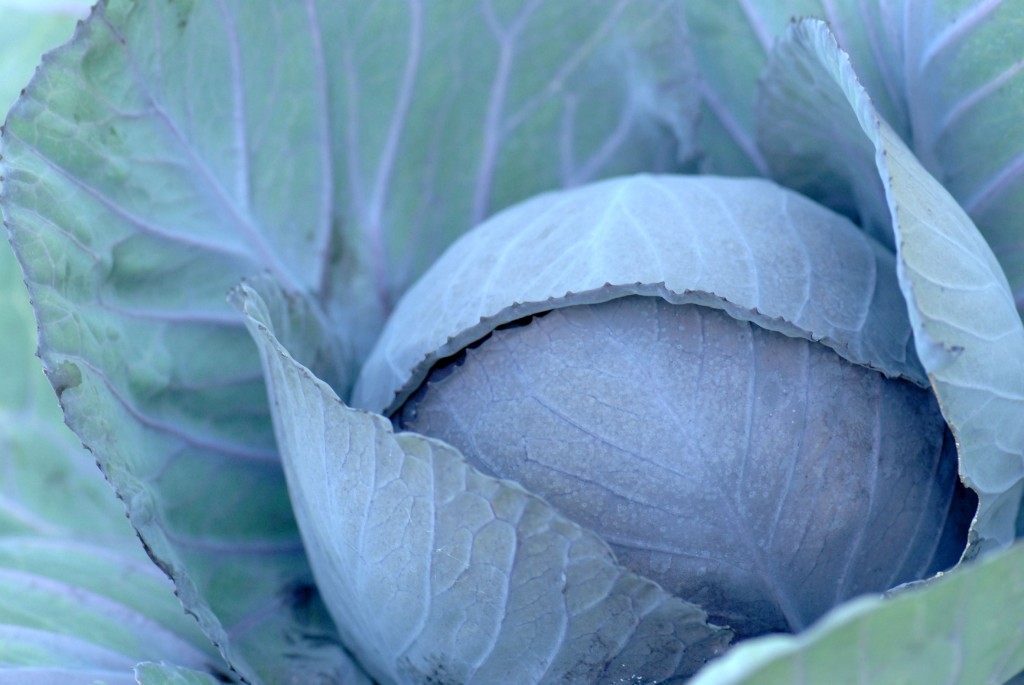
What’s Fresh? Cabbage!   Did you know that cabbage has high concentrations of disease-fighting compounds? Cabbage, like its close relative broccoli, is generally written off the menu because of its bitter bite. However, this bitter taste is caused by sulfur compounds, which have cancer-fighting properties. Cabbage is also great for maintaining a healthy heart. The

What’s Fresh? Cabbage! Read More »

Lighten Up Your Eating

by Seth McBride, Marketing Intern


Once upon a time, we believed that consuming an extra helping at dinner would aid our survival. As times have changed, we now have a surplus of food that has led to an epidemic of obesity. In our modern times of plenty, it is healthier to eat smaller meals that focus on key nutrients rather than stuffing ourselves.


A study published by the Nutrition Journal in 2011 debunked the common myth that breakfast is the most important meal of the day. Oftentimes, we believe that the more you eat for breakfast, the less hungry you’ll be throughout the day. However, larger breakfasts do not satiate you for extended periods of time. This means that you actually tend to consume more calories as the day progresses after eating a big breakfast.


Lunch should be the largest meal of the day because your metabolism corresponds to how long you’ve been awake. In other words, you’re more likely to burn off the calories from a large lunch than a large breakfast or dinner. Go out on a limb and think of us as plants in the sense that there are specific times each day that our body is able to utilize the sugars we consume.


Don’t sleep on an empty stomach. While dinner should be the lightest meal of your day as you become less active, it’s still important to eat. Whatever you do, don’t skip a meal. Skipping dinner means there is an extensive time gap between meals, which can result in disrupted sleep patterns, craving sweets, nausea, and ravenous hunger. Also, be sure that your dinner is light because excessive amounts of sugar and fatty foods can overload your digestive system. This can result in fatigue, both mentally and physically, the following day. And don’t forget to wait two hours after eating dinner to fall asleep, allowing your body the recommended amount of time for digestion.


The most important benefit of eating light is that you will begin to eat at the right time of day. When foods are eaten at the wrong time of day, your body stores more fats. Not only will you lose weight, but you will also feel revitalized when your sleeping and eating schedules complement one another. So much so, you’ll live healthily ever after.

Lighten Up Your Eating Read More »

What’s Fresh? Broccoli!

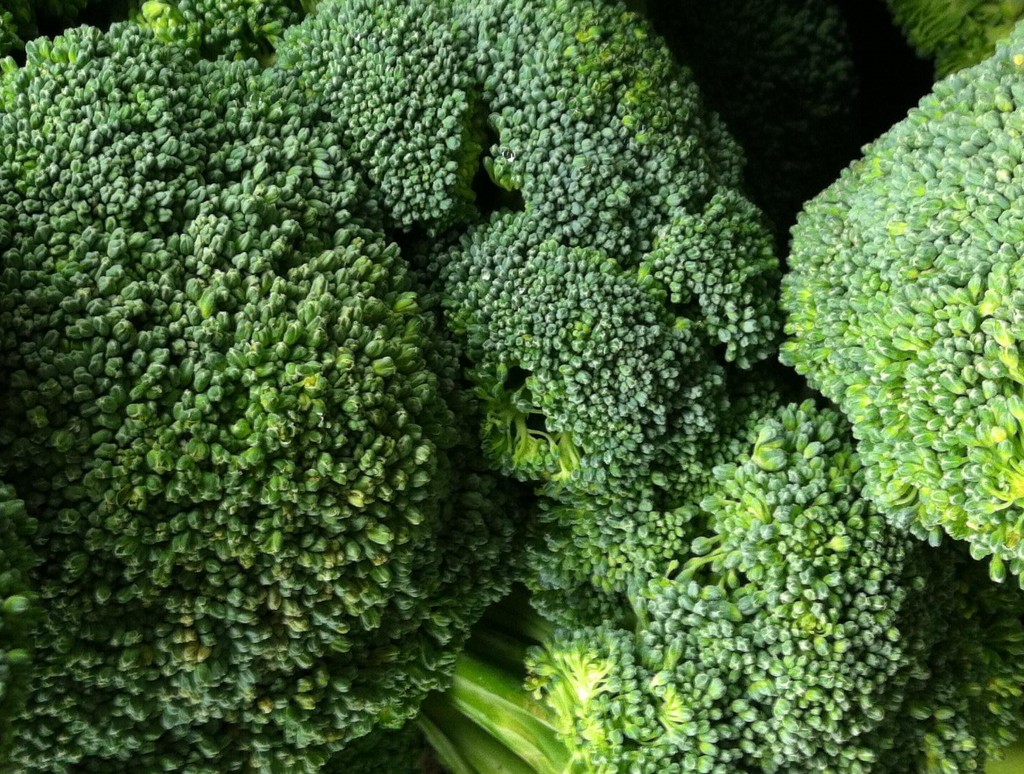
What’s Fresh? Broccoli! Did you know that broccoli comes from the Italian word broccolo meaning “flowering crest of cabbage?” We’ve got fresh, crisp broccoli on sale this week at the Co-op. Although the taste of broccoli is slightly bitter like its relative the cabbage, it is also high in vitamin C. You can consume your

What’s Fresh? Broccoli! Read More »

What’s Fresh? Potatoes!

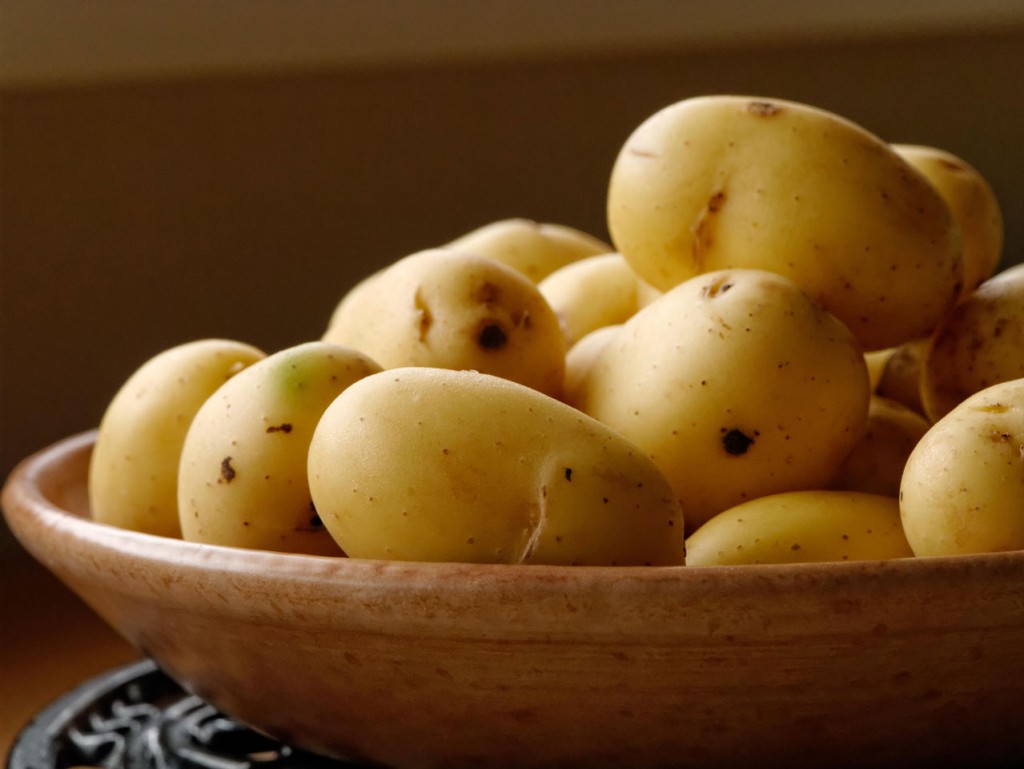
What’s Fresh? Potatoes! Did you know the French word for potato (pommes de terre) means “apple of the earth?” We’ve got beautiful local “earth apples” from River Road Farm in Marengo, Wisconsin in stock this week, plus some regional varieties. This week’s recipes will help you cook up some fresh potatoes, which are also on

What’s Fresh? Potatoes! Read More »

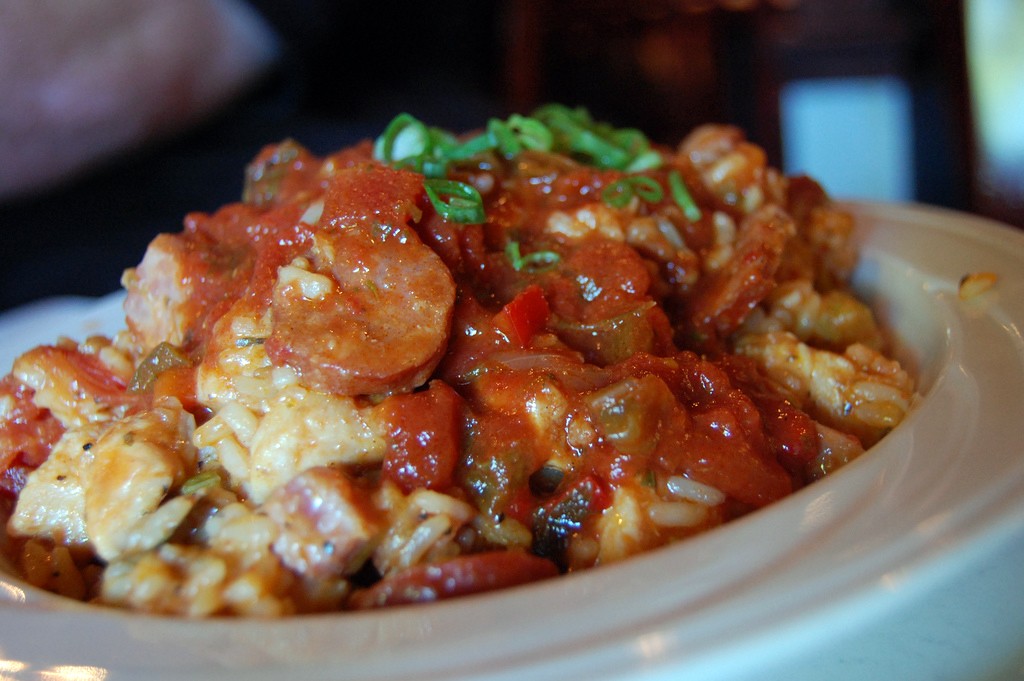
Get a Taste of Mardi Gras

Mardi Gras, otherwise known as Fat Tuesday, marks the end of a month long celebration rich in culture and history. Although Mardi Gras can be traced back to medieval Europe, the first carnival (like the ones we are familiar with today) wasn’t held until 1781. Throughout the 1800s the celebration continued to transform through the introduction of new traditions. The Mardi Gras celebration gave rise to modern parade floats and “throws” (things thrown to parade-goers from floats that include beads and coins), but also most importantly a variety of special foods.


One common tradition is the King Cake, a giant cinnamon roll frosted with the colors of Mardi Gras. Purple stands for justice, green for faith, and gold for power. Hundreds of thousands of King Cakes are consumed during the carnival season. It is named King Cake because it represents the three kings who delivered gifts to Jesus. A plastic baby is baked inside the hollow cinnamon roll, and whoever receives the baby provides the next cake or hosts the next party. Those who receive the baby are then regarded as the King or Queen of the next party held.


Celebrate and enjoy Mardi Gras with these traditional recipes:


Get a Taste of Mardi Gras Read More »

Scroll to Top